Home / Blog / Lifetime Blueprint
LIFETIME BLUEPRINT
How to Spend More Time With Aging Parents: A Six-Month Plan, Not a Guilt Trip
Part of the series How Many More Times Will You See Your Parents? Do the Math
Almost everyone with aging parents carries the same low hum: I should see them more. The hum is not a plan. It produces a guilty phone call on a Sunday, a promise to visit in the spring, and then another year. When people we love are gone, the Lifetime Blueprint says, the regret is almost always about time: the hours we did not give, the visits we kept postponing. The fix is not more guilt. It is an hour with a pen.
Quick answer: Do the math (their age, average years remaining, times visits per year), list the people whose time with you is limited, choose one specific action for each within the next six months, date the plan, and date each action when it is done. When you visit, ask for the stories and write them down.
Make it real with one number
Start with the arithmetic, because it turns a feeling into a fact. Find the person's age, read the average years remaining from public life-expectancy tables, and multiply by how many times a year you see them. A parent of 75 you see twice a year: about 25 more visits. The book draws it as twenty-five circles on a page. The averages are not predictions about anyone, and the book says so; the point is not to be right about anyone, it is to make the question real. The full math has the table.

List everyone, not just your parents
Grandparents, parents, the aunt who saw you clearly when no one else did, the mentor who shaped your career, the friend from before you became who you are. All of them are aging at the same rate you are. The inventory in the book has five columns: name, relation, age, when you last saw them, and what you want to do or ask. For some readers the list also includes people who caused harm, and the book says naming them is a legitimate use of the page; the action you choose may be distance, repair or nothing.
One specific action each, inside six months
Then the plan, shown here: for each person, one specific action within the next six months. Not see Mom more. A visit with a date. A call on a set evening. A question you have never asked. A story you want recorded. A thing you want to say. Each action gets two dates: by when, and done on. Six months is short enough to keep and long enough to plan a flight. Start with three people; the plan has room for more on the next page.
When you visit, ask for the stories
The visits go better with a purpose. Ask how they met, what their own parents were like, what they wish they had known, what they would do differently. Then write down what you hear, while you can still hear it in their voice. The book gives this its own page, Stories You Gathered, with who told it and the date. Questions to ask your grandparents and questions to ask your parents are the lists to bring.
Come back to the plan
Return to the plan when someone ages, falls ill or drifts, and at every scheduled review of your life, to record what you actually did. A plan read once is a wish; a plan you return to with a pen is a record of the time you spent. If you are caring for parents and children at the same time, the sandwich decade is written for you.
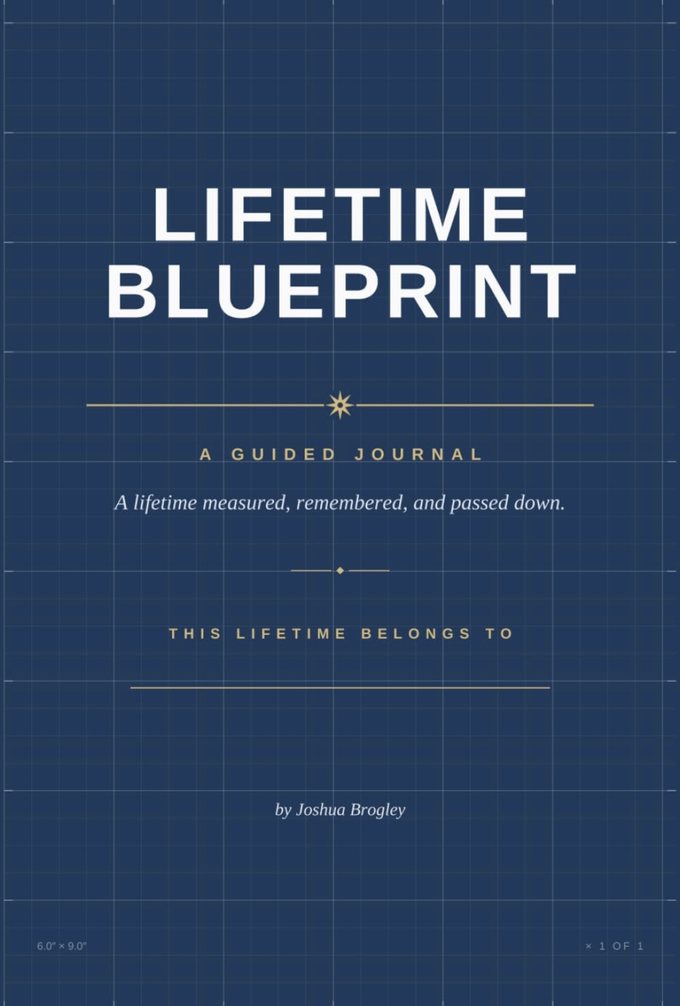
Lifetime Blueprint
The hardcover built to be inherited: eight life domains scored across decades, thirty life-event templates, and letters written forward, ending in a Final Letter.
How can I spend more time with my aging parents?
Count the visits you likely have left, list everyone whose time with you is limited, and choose one specific, dated action for each within six months, such as a visit, a call or a question to ask. Date each action when it is done.
How many times will I see my parents again?
Multiply their average years remaining by how often you see them. A parent of 75 seen twice a year comes to about 25 more visits. Averages are not predictions, but they make the question real.
What should I do when I visit elderly parents?
Ask for the stories: how they met, what their parents were like, what they wish they had known. Write them down with the date, while you can still hear them in their voice.
More on Lifetime Blueprint
- Why Most People Will Never Write Their Life Down
- Your Fifties: The Distillation Decade, Subtraction Over Addition
- Your Forties Are a Recalibration, Not a Crisis
- Your Thirties: The Building Decade, When Time Starts to Feel Finite
- Your Twenties: The Decade of Compounding Choices
The method behind every book
- Which 365-Day Book Should I Start With? A One-Minute Guide
- What Is a No Zero Day? The Rule That Saves a Bad Week
- What Is a Realistic Morning Routine? Two Minutes, Not Two Hours
All articles about Lifetime Blueprint → · The book page → · Group and bulk orders →
written by the author, at the kitchen table, after work.