Home / Blog / Lifetime Blueprint
LIFETIME BLUEPRINT
The Sandwich Decade: A Journal for Caring for Parents and Kids at Once
Part of the series How to Reflect on Your Life by Decade: The Complete Method
The Lifetime Blueprint calls it by its common name on the page that closes the forties: the decade after is often called the sandwich decade, when aging parents and launching children need you at the same time. Many readers lose a parent in these years; some lose both. It is the decade with the least time to write and the most worth writing down.
Quick answer: Record the conversations with your parents about care, money and their final years before a crisis forces them; keep a short, dated record of what you did for each person; protect one practice for yourself; and write the stories your parents tell now, because your children will want them later.
What the decade asks
The book's questions for this stretch are direct. Your parents were likely in their seventies or eighties; were you in regular contact, and were there conversations you avoided? Your children became adults; what is that relationship now, and what groundwork was laid or missed? Your siblings aged alongside you; many drift in middle age and never recover the closeness. And the hardest one: which conversations about your parents' wishes, care, money, the shape of their final years, were had, and which were avoided? Were they had in calm or in crisis?

Have the conversations in calm
That last question is the practical heart of the sandwich years. The conversation about where a parent wants to live when stairs become hard, who has the paperwork, what they want and do not want at the end, goes very differently in a kitchen on an ordinary Sunday than in a hospital corridor. Write down that it happened, the date, and what was said. It becomes the record your siblings will need, and the one you will want later when memory blurs the details.
Keep a record of what you actually did
Caregiving disappears into logistics. Months of driving, phone calls and paperwork leave nothing behind but tiredness. The Blueprint treats taking on a long-term responsibility, caring for a parent, as an event worth its own template: who you committed to, how much you chose and how much was chosen for you, what part of your earlier life it closed off, what you discovered you were capable of, the hardest week and what you did. A paragraph a month is enough. It is the record your children will one day read about what love looked like in practice.
Keep yourself
The book's advice for the forties and fifties applies with extra force here: move every day, in whatever way your body allows; tell the people you love what they mean to you, in words, before circumstances make you wish you had; and keep one practice that costs nothing and depends on no one. Score your own Health and Mind at least once in these years. They are usually the first to fall and the last to be noticed.
Where it fits
In the Blueprint, the sandwich years run across the end of the Forties chapter and into the Fifties, with the people inventory and plan as the tool for parents, the caregiving template for the responsibility, and the letter to a parent for what is unsaid. A six-month plan for time with aging parents, the forties and the fifties go further.
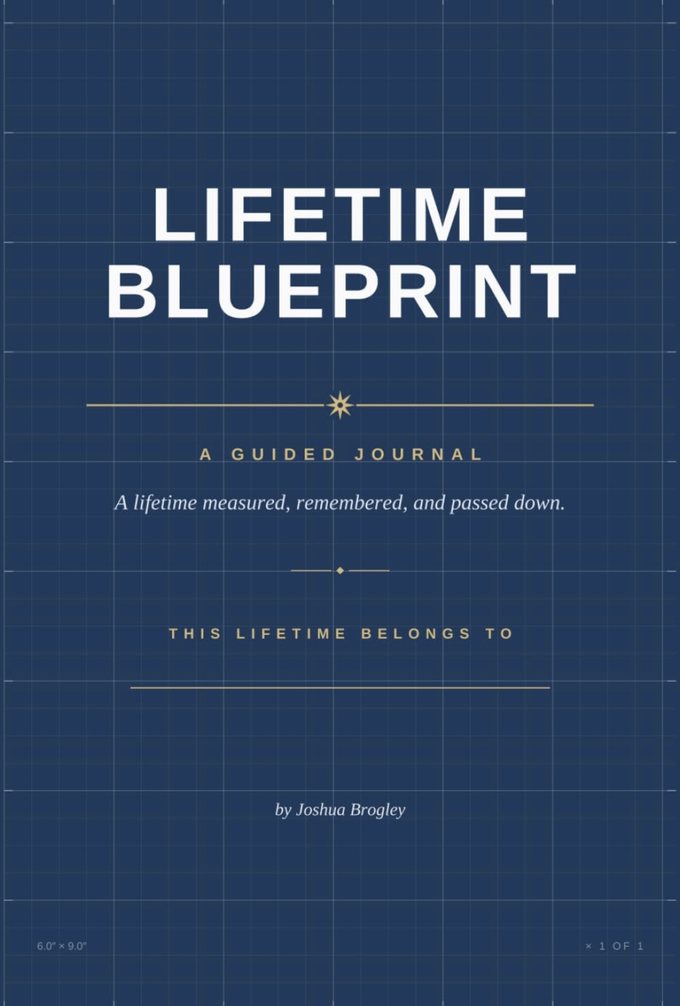
Lifetime Blueprint
The hardcover built to be inherited: eight life domains scored across decades, thirty life-event templates, and letters written forward, ending in a Final Letter.
What is the sandwich generation?
Adults caring for aging parents and their own children at the same time, usually in their forties and fifties. The Lifetime Blueprint calls these years the sandwich decade.
What should I write down while caring for aging parents?
The conversations about their wishes for care, money and their final years, with dates; a short monthly record of what you did; and the stories they tell you now.
How do I take care of myself while caring for parents and kids?
Protect one daily practice that depends on no one, move every day in whatever way you can, and score your own health and state of mind at least once a year. They are usually the first to slip.
More on Lifetime Blueprint
- Why Most People Will Never Write Their Life Down
- Your Fifties: The Distillation Decade, Subtraction Over Addition
- Your Forties Are a Recalibration, Not a Crisis
- Your Thirties: The Building Decade, When Time Starts to Feel Finite
- Your Twenties: The Decade of Compounding Choices
The method behind every book
- Which 365-Day Book Should I Start With? A One-Minute Guide
- What Is a No Zero Day? The Rule That Saves a Bad Week
- What Is a Realistic Morning Routine? Two Minutes, Not Two Hours
All articles about Lifetime Blueprint → · The book page → · Group and bulk orders →
written by the author, at the kitchen table, after work.