Home / Blog / Lifetime Blueprint
LIFETIME BLUEPRINT
Beginnings: How to Write About the Day Everything Started
Part of the series The Six Kinds of Life Events Worth Writing Down
Beginnings are deceptive. They feel cleaner than they are. The day a child is born, the day a marriage begins, the day a new job starts: these days arrive carrying the full weight of everything that prepared the ground for them, and nothing begins from nothing. What a Beginnings entry is for is the part of the beginning the photograph cannot capture. The way the room actually felt. What was said in the half-hour before. The small thing no one else would have noticed and you have not forgotten. That is what is worth writing while the memory is still warm.
The five templates
The Birth of a Child, written before the new version of you forgets the old one. The Beginning of a Marriage or Partnership, which did not begin at the wedding. The Start of a Vocation, which rarely felt important on day one. Adopting or Bringing Home, because families form in ways beyond biology: adoption, fostering, blending, taking in a parent, welcoming an animal. And Finding Faith, or Finding It Again, the interior and unwitnessed beginning that deserves the same care as the public ones. Each has a date of event, a date of writing, and prompts that ask what happened, what it changed, and what you know now.
Why the photograph is the wrong record
Every beginning already has a photograph, and the photograph is why the entry usually goes unwritten: the day feels documented. But a photograph records the ceremony and loses the ground: the doubt dismissed the week before, the sentence someone said in the corridor, the ordinary Tuesday that preceded the extraordinary Wednesday. Thirty years on, the family has the picture and none of the texture, and the texture was the beginning. The entry is for the ground, written by the only witness who was standing on it.
Write it warm, then return
The Beginnings rule is speed: write within days, while the small thing is still small and specific, and refuse the temptation to make it significant. Significance gets added later, under the first entry, dated, when the beginning has become whatever it became. A birth written in the first week and revisited at the child's tenth birthday is a two-layer record no memoir can produce. Starting mid-event covers the mechanics of writing while it is still true.
The templates most people open first
The birth of a child and the beginning of a marriage are the two Beginnings entries written most often, and both are guided posts. The category sits first among the six kinds of life events, and all thirty templates live in one section of a certain hardcover, between the scored decades and the letters forward, so that a beginning written this week will still be legible to the child it was about.
Lifetime Blueprint
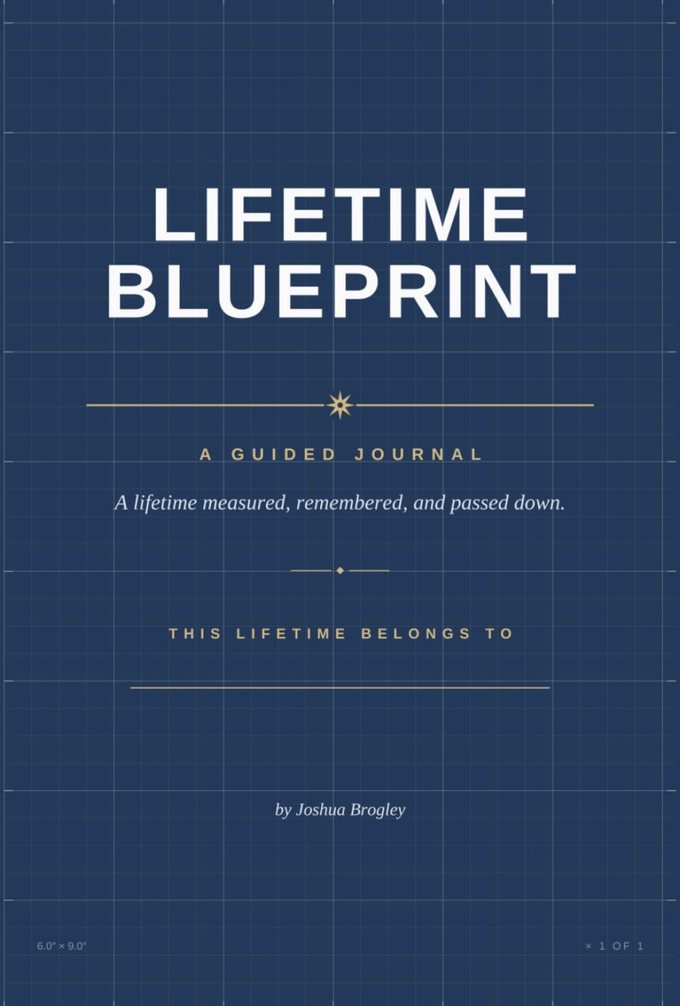
The hardcover built to be inherited: eight life domains scored across decades, thirty life-event templates, and letters written forward, ending in a Final Letter.
What life events count as beginnings?
A child's birth, the start of a marriage or partnership, the start of a vocation, adopting or bringing someone home, and finding faith or finding it again. The entry records what the photograph cannot: how it felt and what prepared the ground.
How soon should you write about a major life event?
For beginnings, within days, while the small specific details are still warm. Significance is added later, dated, under the first entry.
More on Lifetime Blueprint
- Your Twenties: The Decade of Compounding Choices
- Your Thirties: The Building Decade, When Time Starts to Feel Finite
- Your Forties Are a Recalibration, Not a Crisis
- Your Fifties: The Distillation Decade, Subtraction Over Addition
- Why Most People Will Never Write Their Life Down
The method behind every book
- Which 365-Day Book Should I Start With? A One-Minute Guide
- What Is a No Zero Day? The Rule That Saves a Bad Week
- What Is a Realistic Morning Routine? Two Minutes, Not Two Hours
All articles about Lifetime Blueprint → · The book page → · All the books →
written by the author, at the kitchen table, after work.